

Asia is already grappling with a fuel crisis. A ‘Super El Nino’ threatens to make things worse
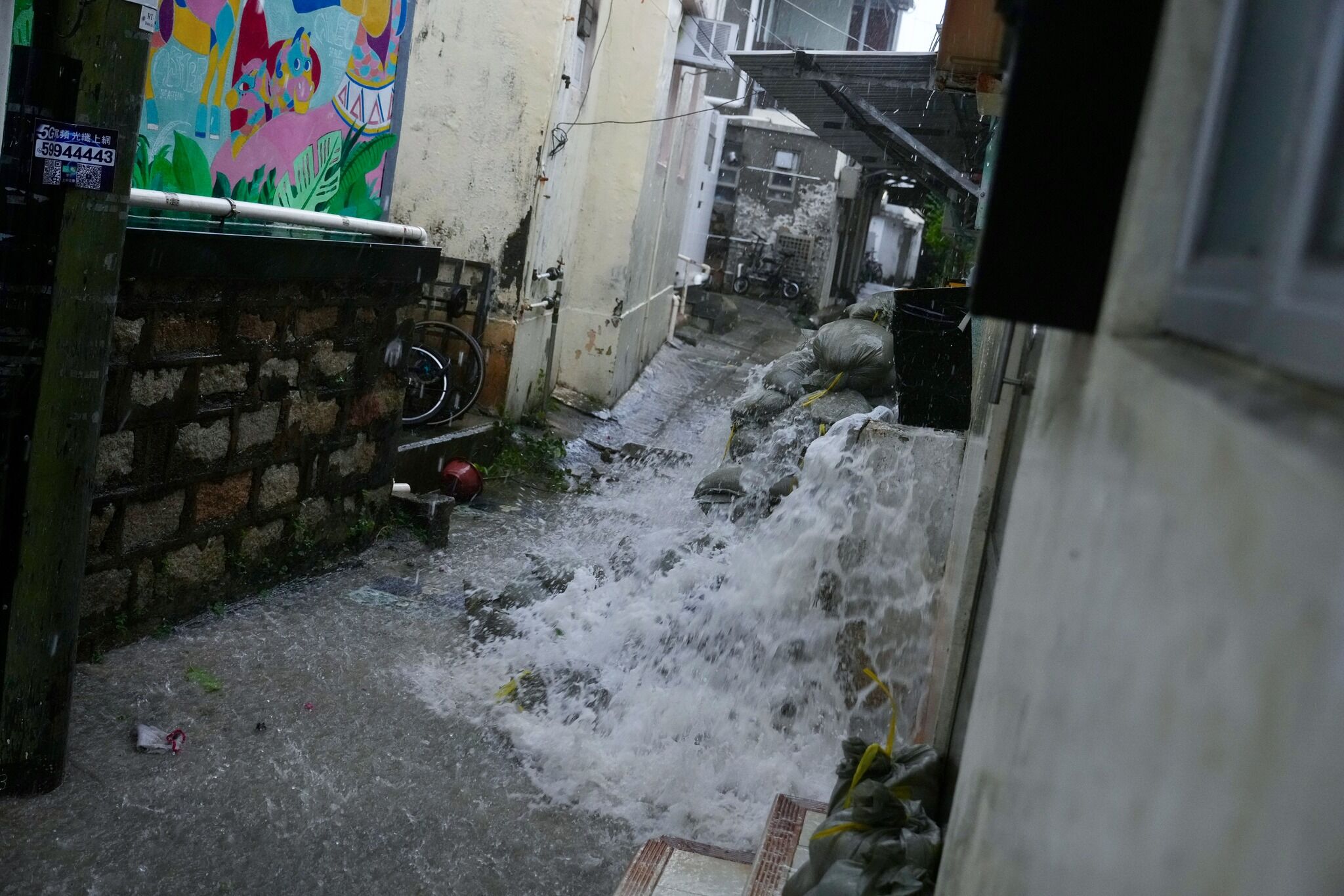
What can a 149-year-old climate event teach us about Asia’s future?
As discussions grow around the possibility of a “Super El Niño” in 2026, historical evidence from Asia’s climate past offers important perspective on contemporary risks.
Research by Professor Fiona Williamson, Urban Fellow (Urban Systems) at the SMU Urban Institute and Professor of Environmental History at Singapore Management University, highlights how the 1877 Super El Niño—one of the strongest on record—triggered widespread droughts and monsoon failures across India and China. These climate disruptions contributed to severe economic hardship and pushed millions into poverty.
While today’s Asia is far more urbanised and technologically advanced, the study underscores that climate-related shocks remain a significant concern for cities across the region.
The research emphasises the value of historical climate analysis in understanding how environmental extremes have long shaped societies and urban systems. By examining past events and responses, cities can gain important insights to better anticipate and prepare for future climate shocks.
See article by Angelica Ang (Fortune): Asia is already grappling with a fuel crisis. A ‘Super El Nino’ threatens to make things worsenino-iran-energy-crisis/?elnino