
Excursions and Activities: Urban Infrastructural Extensions in Singapore and Asia: Toward a Diagnostic Framework and Regional Research Agenda
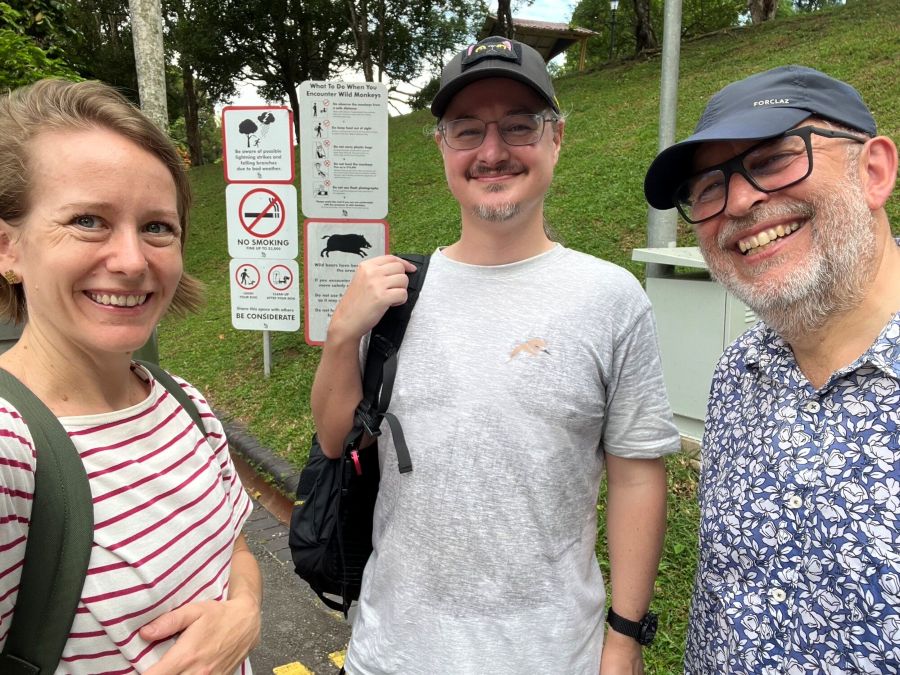
Over the past week, the SMU Urban Institute hosted Visiting Professor Simon Marvin from The University of Sheffield’s Sheffield Urbanism programme for a series of site visits and discussions examining Singapore as an “infrastructure of infrastructures.” Joining the visits were Assistant Professor Adam Roberts, Urban Fellows Prof George and Prof Sayd, from Singapore Management University.
The programme provided an opportunity to explore how urban systems, ecological networks, social practices, and governance structures intersect to shape everyday life in Singapore. Through site-based observation and discussion, participants reflected on the multiple layers of infrastructure that support urban resilience and liveability.
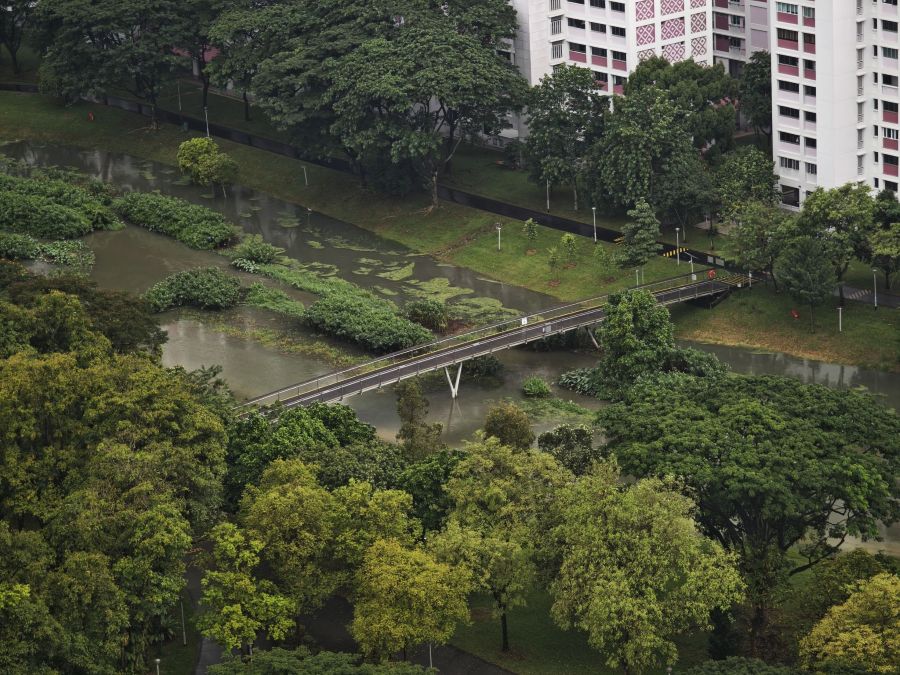
Ecological Infrastructure at Bishan–Ang Mo Kio Park
One of the visits focused on Bishan–Ang Mo Kio Park, a landmark example of integrating ecological restoration with urban development. Reflecting on the experience, Assistant Professor Roberts noted the recurring questions that emerged throughout the walk: How can cities be designed to create space for ecological systems to persist? How can public spaces foster meaningful social interaction? And how can environmental quality be enhanced alongside new urban infrastructure rather than restored only after development has occurred?
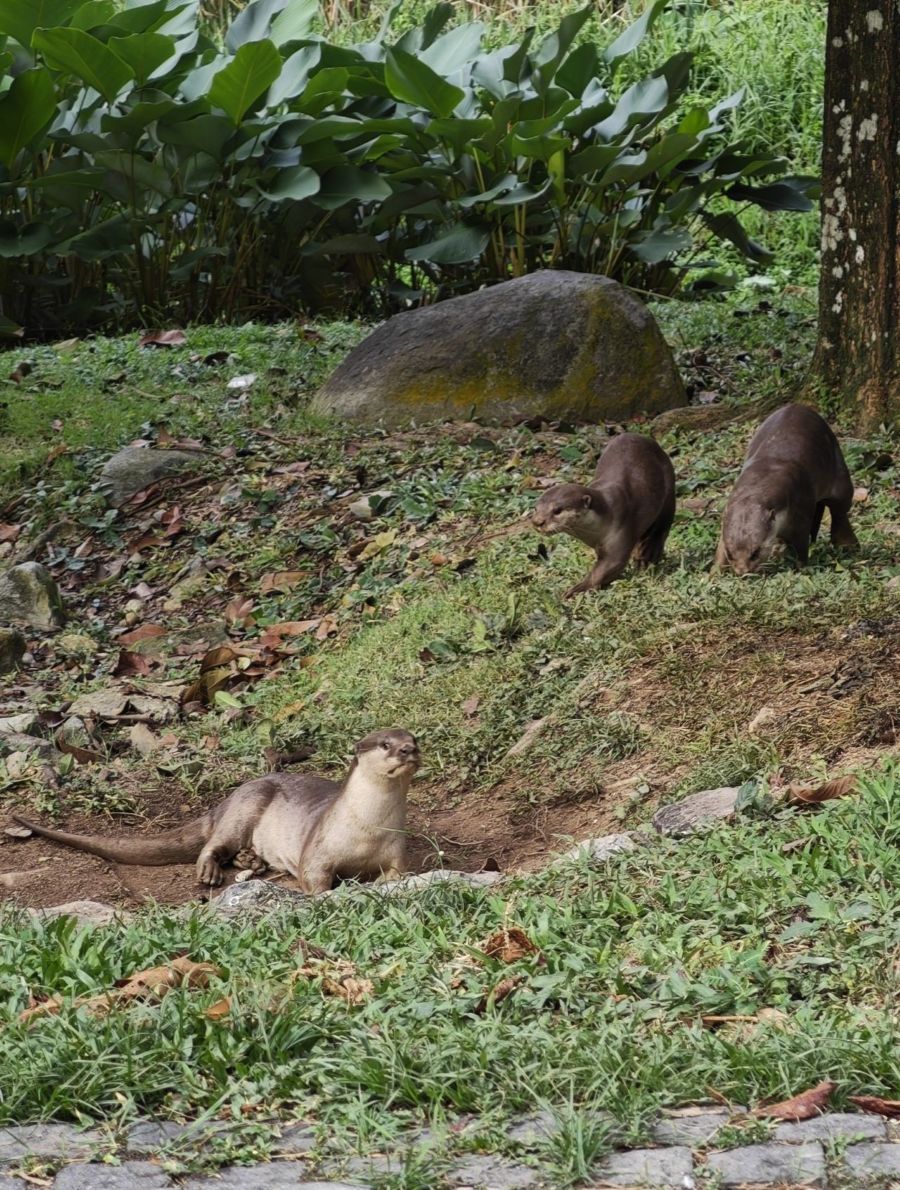
The park itself provided compelling examples of these interactions, with residents engaging in recreational activities alongside thriving urban wildlife, including birds and otters that have become increasingly visible features of Singapore’s urban ecology.
Tracing Urban Contradictions from Marina Bay to Geylang
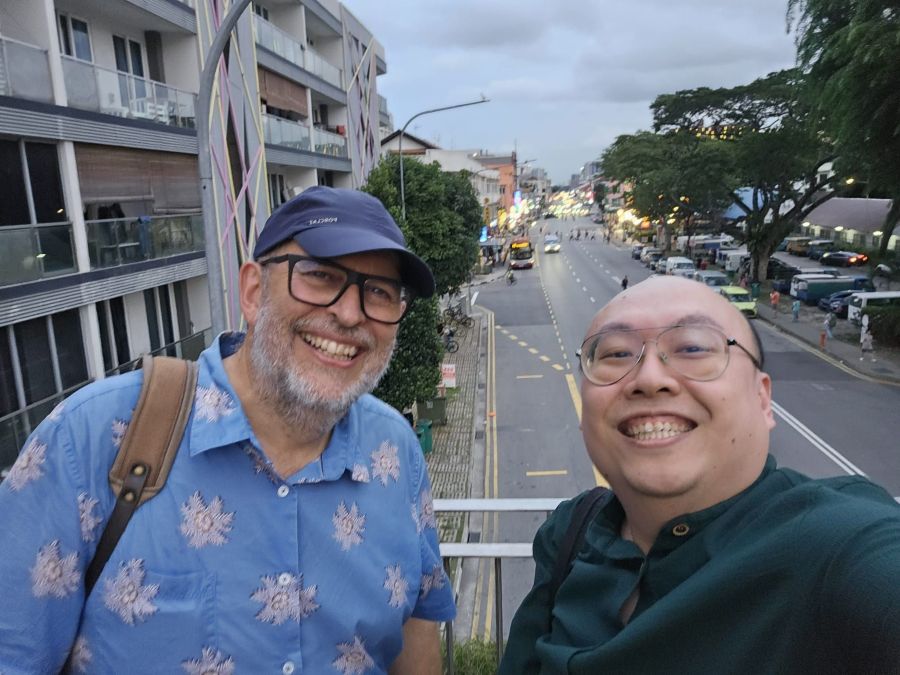
Dr George Wong led a second site visit from Marina Bay to Geylang, examining what he described as Singapore’s “infrastructural tensions.” The walk explored how different urban spaces reveal competing visions of development, governance, and everyday life, while highlighting the often-overlooked social and cultural infrastructures that underpin the city’s physical systems.
The visit concluded with discussions that helped shape ideas for a forthcoming research workshop on urban infrastructures and their extensions across Asian cities.
Advancing Research on Extended Urban Infrastructures
These site visits served as a prelude to the workshop Urban Infrastructural Extensions in Singapore and Asia, to be held on 25–26 August. The workshop aims to develop a shared diagnostic framework for analysing extended infrastructures, including ecological, digital, care-based, elemental, and neuro-technical systems.
Central to this agenda is an examination of the “soft infrastructures” that enable urban systems to function effectively, including social norms, institutional practices, and forms of everyday knowledge that connect and sustain material infrastructures.
Urban Wildlife and Everyday Resilience
Beyond research activities, Assistant Professor Roberts also participated in the Festival of Biodiversity 2026, organised by the National Parks Board at the National Library Building Atrium. Through his work with the Singapore Otter Working Group, he engaged members of the public in conversations about urban wildlife, coexistence, and conservation in highly urbanised environments.
These themes resonate with Dr Sayd Randle’s ongoing “Pig in the City” research, which examines how non-human animals navigate and adapt to urban infrastructures. Together, these projects highlight the SMU Urban Institute’s broader commitment to understanding urban resilience not only through large-scale systems and policies, but also through everyday encounters between people, animals, and the environments they share.
The Institute extends its appreciation to Professor Marvin and all participants for their engagement throughout the week’s activities. Through collaborative research, field-based learning, and public outreach, these exchanges continue to deepen our understanding of how infrastructures shape urban life in Singapore and across Asia.