

Seminar: Ethnography in Motion: Doing qualitative research on cycling
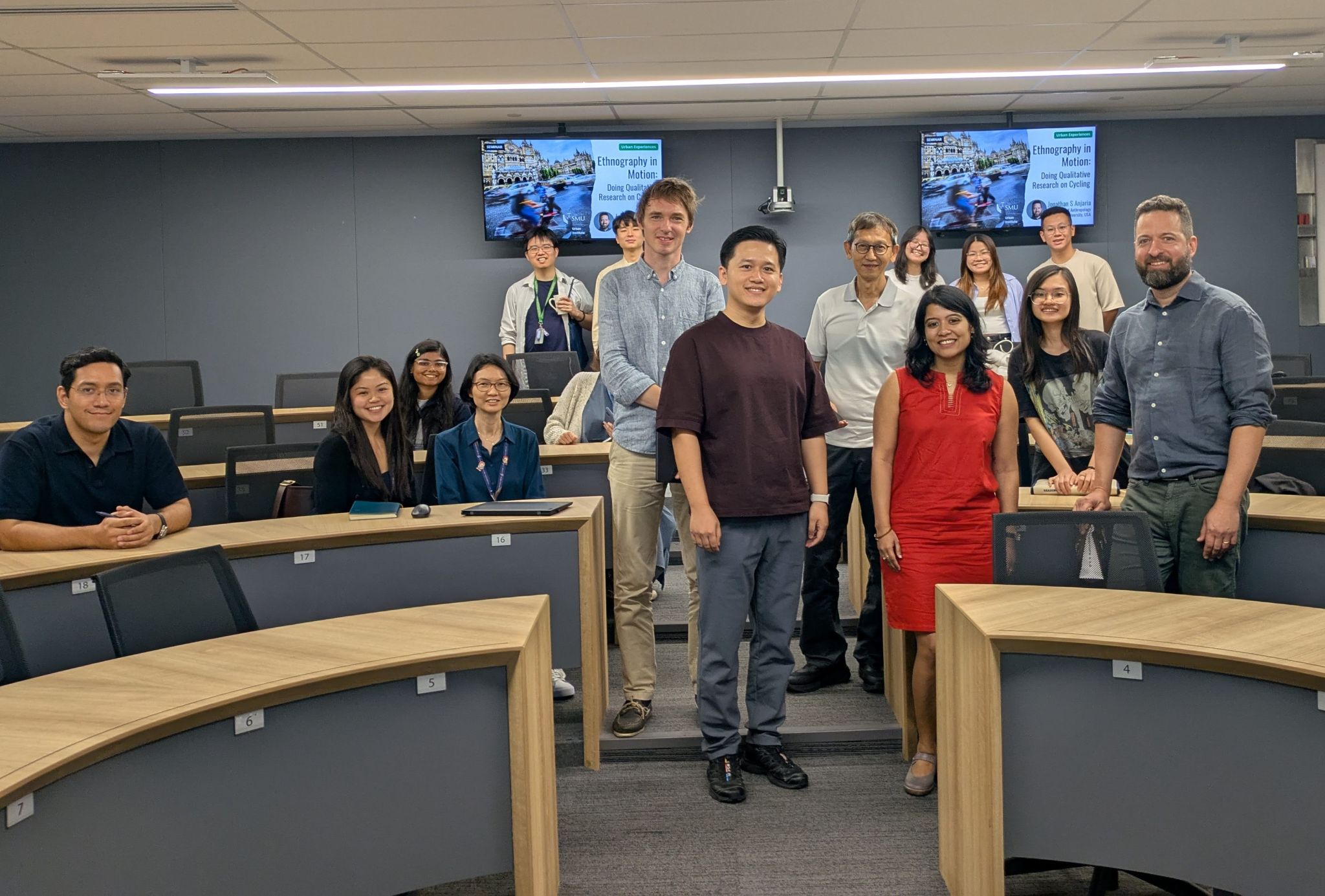
Prof Jonathan Shapiro Anjaria took us on a ride through Mumbai's streets to reveal what ethnographic methods can uncover:
💠 The Method: He cycled alongside Mumbai's diverse riders—delivery workers, lawyers, gig workers. A GoPro captured the sensory and embodied knowledge involved in navigating the city.
💠 The "Bike Lane"? Mumbai's cyclists revealed a simple principle: "maintain your line" with confidence, with traffic adjusting around them. As one participant noted, "There's no direct hostility towards cyclists here. We haven't gotten there yet." Rather than chaos, this reflects a mobility culture of heterogeneity and adjustment, rather than the linearity associated with car-centric cities.
💠 Cyc Firoza 🚲 Mumbai's first Bicycle Mayor noted that more than 100,000 working-class cyclists have normalised cycling's presence on the streets and created an "Invisible Cycle Track"—a form of human infrastructure that all cyclists benefit from.
💠 What Counts as Data? Discussant Prof Sneha Annavarapu noted that when women hear "risk," they often mean harassment, not crashes. Ethnography not only describes experiences, but also complicates the categories through which we understand them.
💠 The biggest dangers are not necessarily cars, but drainage grilles, unmarked seams, and broken tiles. An embodied politics of surface conditions emerged from the discussion.
❔ Every city has a unique mobility culture. What are Singapore's unwritten rules?
❔ Does the sustainability frame miss what actually gets people on bikes—pleasure, practicality, community, and everyday convenience?
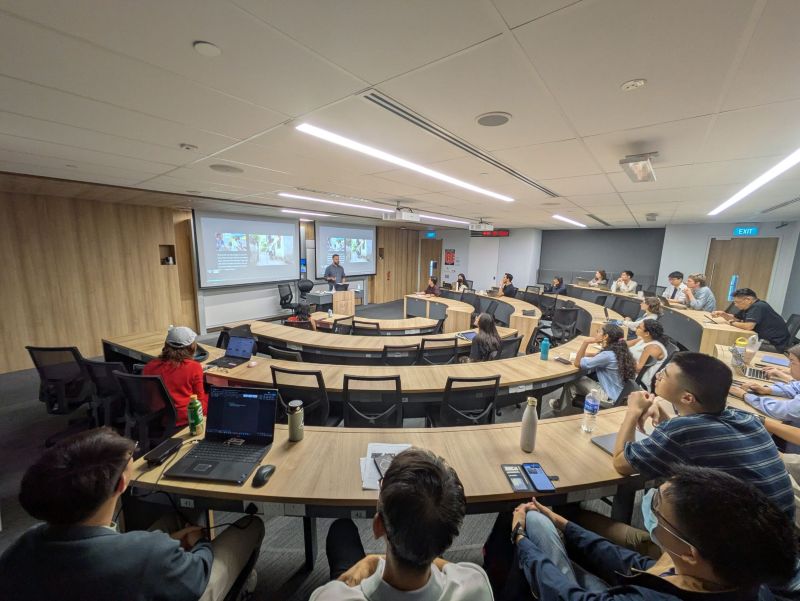
Grateful to our speaker, discussant, moderator Prof Yong Zhang, and everyone who shared their experiences of cycling across cities.
For more information, please refer to the Linkedin post.